
The Nigerian housing market 2026 is no longer just about buying and selling property. It is about survival, adaptation, and strategic positioning.
Across major cities like Lagos, a quiet shift is happening. Families are being pushed out of areas they once comfortably lived in, not because they want to move, but because they can no longer afford to stay.
This shift is redefining the structure of the Nigerian housing market 2026, and those who understand it early will be better positioned to benefit.
The Displacement Paradox in the Nigerian Housing Market 2026
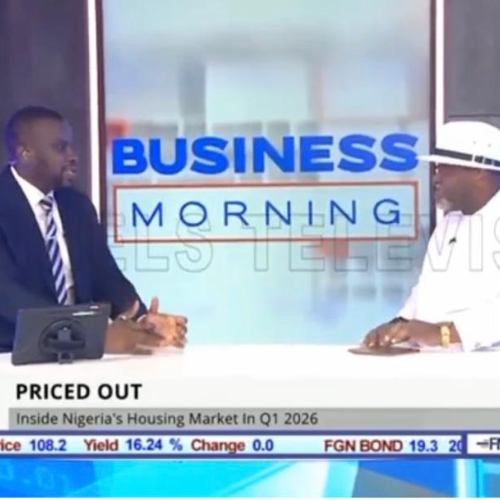
According to insights shared by Segun Philips, one of the most defining trends in the Nigerian housing market 2026 is what can be described as the displacement paradox.
Here’s how it works:
Residents leave high-cost areas (like the Island in Lagos)
They move to relatively affordable locations (like the Mainland)
Increased demand pushes prices up again
The result?
Affordability keeps shifting further away.
This cycle is one of the clearest indicators that the Nigerian housing market 2026 is under structural pressure, not just temporary inflation.
Rent vs Ownership: A Broken System in the Nigerian Housing Market 2026
Another major issue shaping the Nigerian housing market 2026 is the growing gap between renting and owning.
Rent keeps increasing every year. At the same time, salaries are not rising fast enough.
Because of this, many people stay in rented homes for a long time without being able to buy their own houses.
Saving money for a home is also becoming harder.
This creates a long-term cycle where many individuals remain renters far longer than expected.
The implication is clear:
The Nigerian housing market 2026 is not efficiently converting tenants into homeowners.
Inflation and Its Impact on the Nigerian Housing Market 2026
No serious discussion about the Nigerian housing market 2026 is complete without addressing inflation.
Rising costs across the economy are directly affecting housing:
- Construction materials are more expensive
- Food and living costs reduce disposable income
- Developers adjust prices to stay profitable
- Even when income grows, it often fails to match inflation rates.
This means fewer people can afford to buy, even as demand continues to increase further tightening the Nigerian housing market 2026.
Why Prices Are Still Rising in the Nigerian Housing Market 2026
Despite affordability challenges, prices in the Nigerian housing market 2026 are not dropping.
The reason is simple:
- Demand continues to exceed supply
- Population growth remains high
- Urban expansion is ongoing
- Investors are actively acquiring land
This combination ensures that well-located properties continue to appreciate, even in a challenging economy.
The Shift to Emerging Cities in the Nigerian Housing Market 2026
As pressure builds in major cities, attention is shifting outward.
Cities like Ibadan are becoming increasingly attractive within the Nigerian housing market 2026 due to lower cost of entry, expanding infrastructure, increasing investor interest, etc.
This shift is not temporary. It reflects a deeper change in how and where value is created in the Nigerian housing market 2026.
What This Means for Investors in the Nigerian Housing Market 2026
The Nigerian housing market 2026 presents two different realities:
For the average resident:
- Rising costs
- Reduced affordability
- Continuous relocation
For the strategic investor:
- Early entry opportunities
- Access to emerging markets
- Long-term appreciation potential
- The difference lies in perspective.
Final Thoughts on the Nigerian Housing Market 2026
The Nigerian housing market in 2026 is not stopping. It is changing and spreading to new areas. Prices are rising, people are moving, and new cities are growing. Those who understand these changes early will make better decisions in the future.
According to insights shared in a Channels TV interview by SabreWorks CEO Segun Phillips, the key to succeeding in the Nigerian housing market is understanding where demand is moving before prices rise.
Those who understand the structure of the Nigerian housing market 2026 early will be in a stronger position to build long-term value.
Take Action in the Nigerian Housing Market 2026
If you are paying attention to the Nigerian housing market 2026, the next step is not observation it is strategy.
- Study emerging locations
- Understand pricing trends
- Position yourself early
Because in the Nigerian housing market 2026, timing is no longer optional. It is everything.

